Our Impact Portfolio
Tanzania's agriculture sector employs 65% of the national workforce yet smallholder farmers remain among its most underserved actors. IBL works across five interconnected pillars to change this: building productive farms, resilient communities, inclusive economies, innovation capacity, and functioning markets.
On-The-Ground Projects
- All Regions
- Agriculture
- Resilience
- Inclusion
- Agri-tech
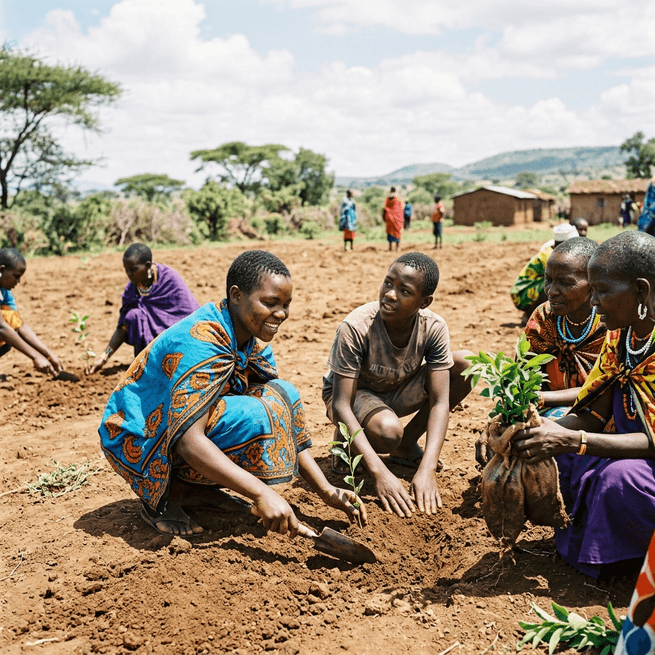
Dodoma Reforestation & Agroforestry Hub
Dodoma's semi-arid landscape is under threat. Decades of land clearing, overgrazing, and erratic rainfall have degraded soils and reduced the ecosystem services that rural communities depend on for water, food, and income. IBL's Dodoma Reforestation & Agroforestry Hub takes a community-led approach to reversing this trend. We establish tree nurseries in local schools and community centres, growing indigenous species adapted to Dodoma's climate. Through Farmer-Managed Natural Regeneration (FMNR) — a globally proven, low-cost technique for restoring degraded land — we are working toward a target of 50,000+ indigenous trees planted. Farmers trained in agroforestry integrate trees into their cropping systems, improving soil fertility, reducing erosion, and creating long-term sources of food, fodder, and income.
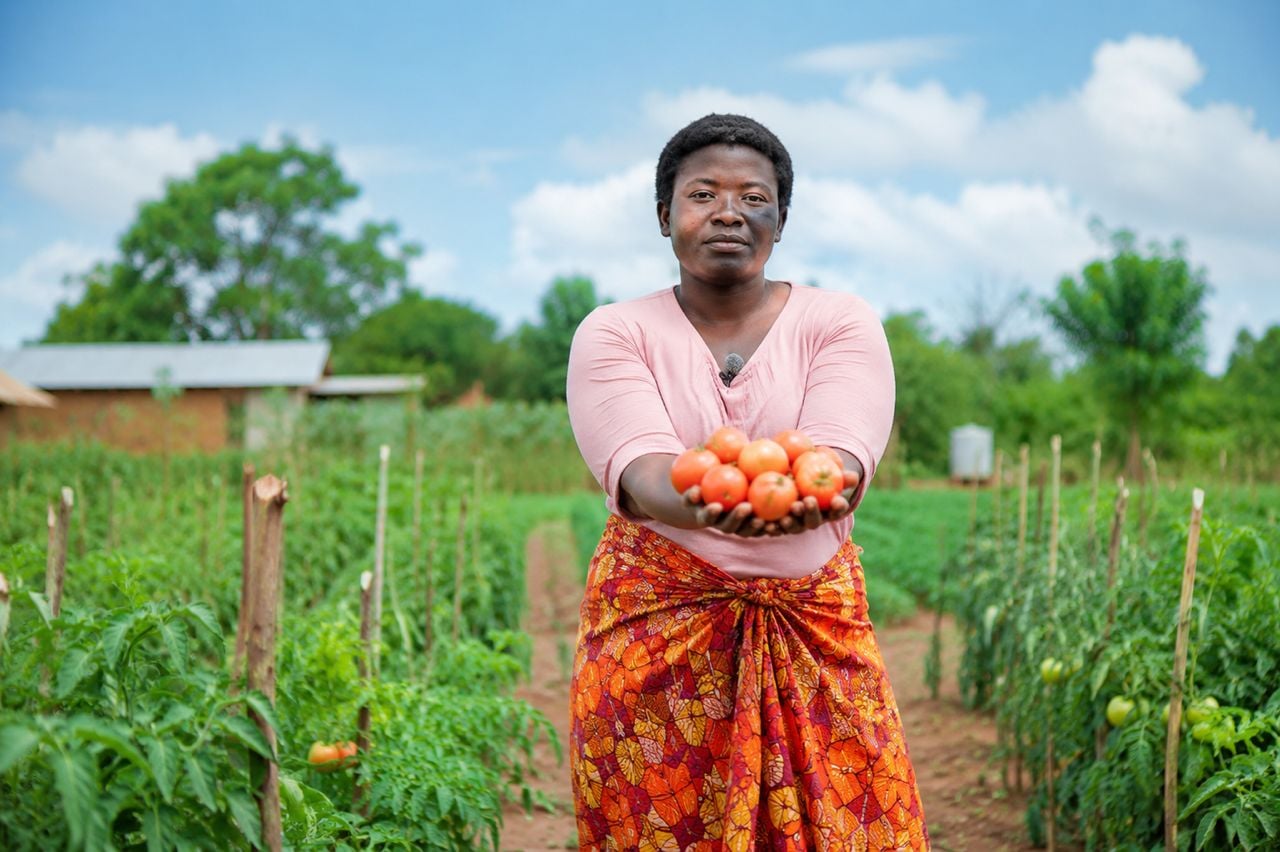
Resilient Smallholder Millet & Sorghum Pilot
Singida is one of Tanzania's most food-insecure regions, where erratic rainfall and poor soil conditions have pushed smallholder farmers to the edge of viability. Maize — the dominant crop — is increasingly unsuitable for Singida's drying climate. IBL's Resilient Smallholder Millet & Sorghum Pilot is repositioning farmers around crops that are built for this reality. We introduce drought-resistant millet and sorghum varieties, proven to produce reliable yields in semi-arid conditions where maize fails. Block farming models bring smallholder families together to farm cooperatively, sharing inputs, equipment, and knowledge at scale. 1,200 smallholder families are being equipped with certified drought-resistant seeds, bio-fertilisers, and facilitated access to agricultural insurance — protecting their investment even in the worst seasons. This is not just a crop switch. It is a livelihood transformation.

EAC–EU Ambassador Agricultural Partnership
IBL partnered with international development stakeholders — including engagement at the EAC–EU diplomatic level — to champion pro-smallholder agricultural policy across East Africa. The partnership focused on three interlinked areas: strengthening smallholder policy advocacy frameworks, building fair-trade standards into regional agricultural trade, and accelerating the development of digital agri-value chains that give smallholder farmers real-time access to market information, pricing, and buyers. The project produced practical policy briefs, regional advocacy platforms, and stakeholder dialogues involving government ministries, private sector actors, and civil society organisations. IBL's role centred on ensuring that the voice and evidence from Tanzania's smallholder farming communities informed regional policy debates at the highest levels.
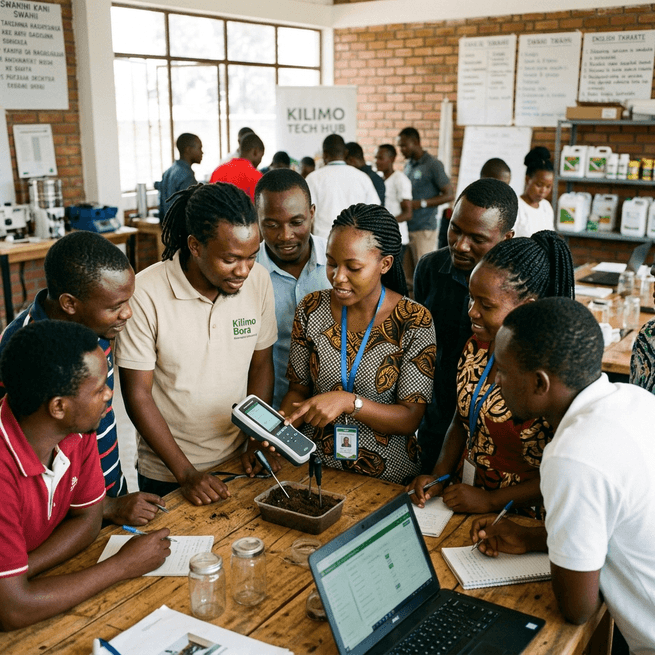
Kilimanjaro Youth Green Entrepreneurship Lab
Tanzania has one of Africa's youngest and fastest-growing populations — and agriculture must become a credible economic pathway for this generation if the country is to achieve food security and economic transformation simultaneously. IBL's Kilimanjaro Youth Green Entrepreneurship Lab is building this pathway. Young agripreneurs aged 18–35 receive intensive training in climate-smart farming practices, solar-powered crop drying technology, digital marketing for agricultural products, and agribusiness management. The Lab provides structured mentorship, links participants to business development support, and facilitates access to start-up capital for the most viable enterprises — with a specific focus on solar dry hub businesses that reduce post-harvest loss and add value to fresh produce before it reaches market. Graduates leave the Lab not as employees — but as founders.
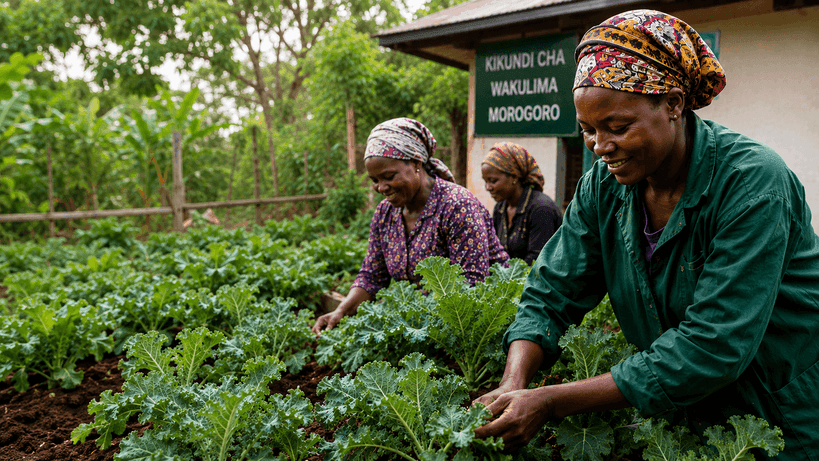
Morogoro Nutrition Education & VSLA Alliance
Food security and nutrition are not the same thing. A community can produce calories and still be malnourished. IBL's Morogoro Nutrition Education & VSLA Alliance addresses both dimensions together — improving what communities grow and what they understand about what they eat. Kitchen gardens established in 15 schools introduce pupils, teachers, and parents to diverse vegetable production, nutrition education, and practical cooking skills — embedding food diversity into community culture from the ground up. Alongside this, Women-Led Village Savings and Loans Associations (VSLAs) are formed and strengthened, creating financial structures through which women farmers pool savings, access internal loans, and collectively purchase value-adding machinery — including food processing equipment that extends shelf life, reduces waste, and enables women to sell processed products at higher margins.
Support a Specific Project — 100% of Earmarked Funds Reach the Field
IBL operates a fully transparent donor-matching system. Every earmarked contribution is tracked, reported, and directed with zero administrative deduction to the specific project you choose — whether that is a smallholder cooperative in Singida, a youth solar-drying hub in Kilimanjaro, or a school kitchen garden in Morogoro. You will receive a direct field report from the site you fund.